The Hidden Cost of Losing Your Best Moderators (And What You Can Actually Do About It)
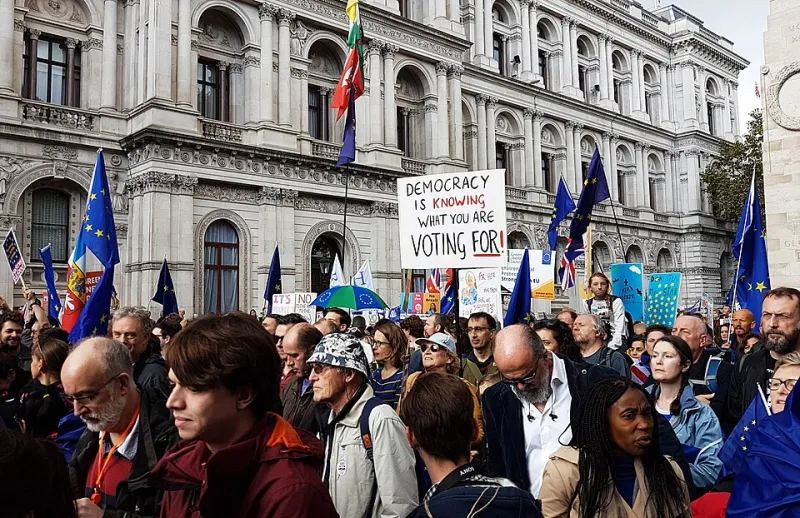
Photo: SAF1999, CC0, via Wikimedia Commons
If you've ever managed an online community for more than six months, you've probably watched it happen. A moderator who used to be everywhere — catching spam, defusing arguments, welcoming new members — starts going quiet. Their response times stretch from hours to days. Then one morning, you log in and find a resignation message in your mod team channel, or worse, just silence.
Moderator burnout is one of the most underestimated threats to community health, and it's happening at every scale — from niche hobbyist boards to massive platform communities with hundreds of thousands of members. The good news? It's largely preventable. But first, you have to understand what's actually causing it.
The Work Nobody Sees
Here's the thing most community owners get wrong: they think moderation is about deleting bad posts and banning trolls. That's maybe 20% of the job on a good week. The rest is something harder to quantify — and harder to sustain.
Moderators absorb conflict. Every heated argument, every member who DMs them at 11pm because they feel wronged, every piece of graphic content that needs to be reviewed before the rest of the community sees it — that goes through a human being who volunteered for the role. Psychologists have a term for the toll this takes: emotional labor. It's the work of managing your own emotional response while managing someone else's.
"I'd spend an hour talking a distressed member through a crisis situation, close my laptop, and then go try to have dinner with my family," said one long-time forum moderator from a mental health support community. "Nobody on the outside knew that happened. It doesn't show up in any metrics."
That invisibility is its own kind of exhaustion. Moderators rarely get credit for the fires they prevent — only for the ones they fail to stop.
What Actually Triggers the Breaking Point
Burnout rarely happens overnight. It builds through a combination of factors that, on their own, might seem manageable. Together, they compound fast.
Lack of clear boundaries. Many mod teams operate without defined guidelines for what moderators are actually responsible for. When the scope of the role is vague, mods end up absorbing everything — and feeling guilty when they try to step back.
No escalation path. When a moderator encounters something they can't handle alone — a member in genuine crisis, a coordinated harassment campaign, a legal gray area — they need somewhere to go. Without that structure, they're left holding the bag.
Feeling unheard by platform leadership. This one comes up constantly. Moderators often have the most ground-level understanding of what's actually happening in a community, but their feedback gets ignored or deprioritized. Over time, that disconnection breeds resentment.
Toxic member behavior without consequences. Dealing with a difficult member is draining. Dealing with the same difficult member repeatedly because leadership won't pull the trigger on a ban? That's demoralizing in a way that's hard to recover from.
Zero compensation for real time investment. Most moderators are volunteers, and many are completely fine with that — initially. But when the role starts consuming 15 or 20 hours a week, the calculus changes. Recognition matters, even when money isn't on the table.
What Retention Actually Looks Like
Keeping great moderators isn't complicated, but it does require intentionality. Here's what actually works.
Build a Mod-Specific Support Structure
Create a private space — whether that's a dedicated board section, a Slack channel, or a regular video call — where your mod team can decompress, share difficult situations, and support each other. Community management can be isolating. Giving mods a place to process the hard stuff together makes an enormous difference.
Define the Role Before Someone Breaks
Every moderator should have a clear written description of what they're responsible for and, just as importantly, what they're not responsible for. Set expectations around response times, escalation procedures, and what falls outside their scope. When mods know their limits, they can actually respect them.
Make Recognition Tangible
Public acknowledgment goes further than most platform owners realize. A monthly shoutout in the community newsletter, a "Moderator Spotlight" feature, early access to new platform features, or even a custom badge — these things signal that the work is seen. People stay in roles where they feel valued.
Rotate the Hard Stuff
If your community deals with heavy or sensitive content, don't let the same two moderators handle it indefinitely. Rotate responsibilities. Implement content warnings for your mod team. Consider limiting the number of hours per week any single mod is expected to engage with high-stress material.
Actually Listen When They Talk
If a moderator brings you feedback about a recurring problem — a loophole in the rules, a member who's been pushing boundaries for months, a policy that's creating more conflict than it resolves — take it seriously. You don't have to act on every suggestion, but you do have to demonstrate that the conversation matters. Mods who feel ignored eventually stop talking.
The Community Health Connection
Here's the argument worth making to anyone who's still on the fence about investing in moderator wellness: your community's quality is a direct reflection of your mod team's capacity.
When moderators are burned out, response times slow down. Toxic behavior lingers longer before it gets addressed. The tone of the community shifts — subtly at first, then noticeably. Members who joined because the space felt safe start drifting away. And then you're not just dealing with a moderator retention problem. You're dealing with a member retention problem.
The communities that consistently punch above their weight in terms of engagement and longevity are almost always the ones where the mod team is stable, supported, and genuinely invested. That's not a coincidence.
Investing in the people who hold your community together isn't a soft, feel-good initiative. It's one of the highest-leverage things you can do for long-term platform health. Treat it that way.